Filipino households are rushing to install rooftop solar systems in response to some of Southeast Asia’s highest electricity prices, propelling the Philippines to the top of global spending on solar panels since conflict in the Middle East began earlier this year. Power distributor Manila Electric Co., or Meralco, has raised tariffs by about 10% since late February, squeezing consumers already grappling with elevated living costs and a weakening currency that makes imported fuel more expensive.
With few power subsidies on offer, residential customers in the country now spend about 12% of a median household’s monthly income on electricity, based on usage of 200 kilowatt-hours — roughly the average for a three-person home. That makes Philippine residential power the costliest in Southeast Asia. Only Singapore comes close on headline prices, but Singaporeans’ average purchasing power is almost 13 times higher, according to comparisons cited in the trade data and market analysis.
The financial strain is convincing more middle-class families to turn to rooftop solar. Adrian Sabatera, a 39-year-old software engineer in Manila, said he had long considered going solar but balked at the expense. As panel costs declined and grid power kept getting pricier, the calculation shifted. He recently installed a 570,000 peso ($9,300) system on the house he shares with three others and now expects many of his peers to follow. “I wouldn’t be shocked if a third of the middle-class population eventually finds their way to this setup,” Sabatera said.
That kind of consumer demand is showing up in trade flows. The Philippines imported $407 million worth of solar panels in the three months through May, a 145% jump from a year earlier, according to Chinese customs data. China, which dominates global panel manufacturing, remains the country’s primary supplier. Even as overall Chinese solar exports slipped 13% in May after Beijing removed a tax rebate, shipments to the Philippines bucked the trend and climbed by almost a third, underscoring the strength of local demand.
On paper, European hub the Netherlands still appears to be a larger market for Chinese panels, but industry experts note that much of that volume passes through as transshipments to other destinations. By contrast, the Philippines’ surge reflects direct end-user demand as households seek to shield themselves from volatile fossil fuel costs and grid tariffs. With payback times shortening as electricity prices rise, rooftop solar is rapidly moving from aspirational purchase to a mainstream financial hedge for the country’s middle class.
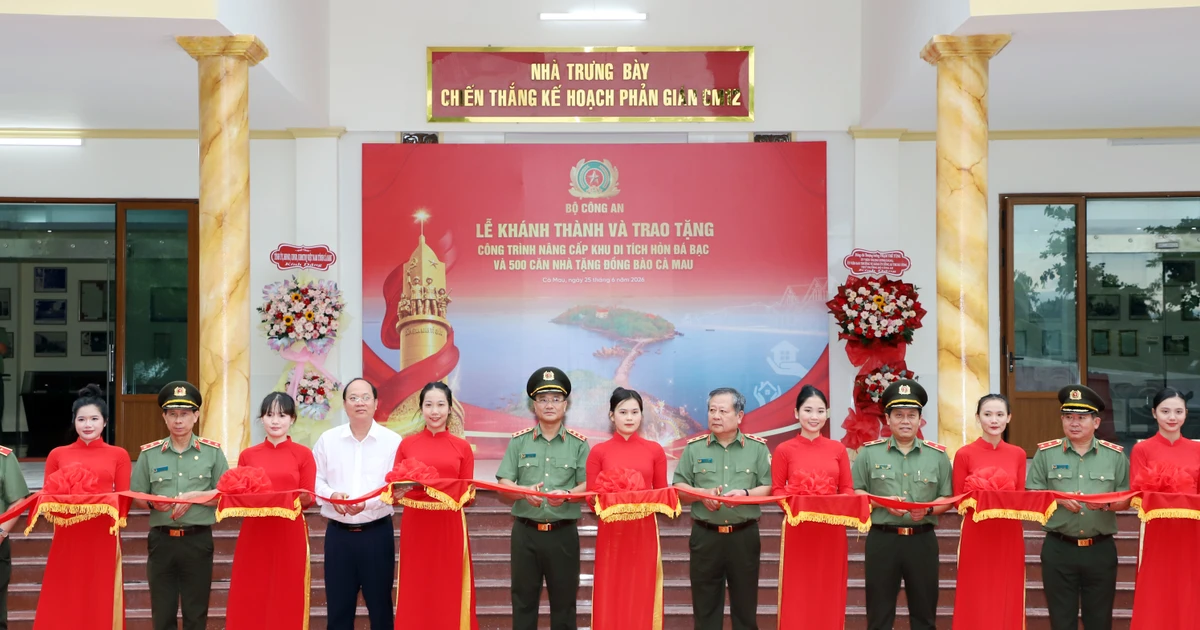
Bộ Công an vừa khánh thành công trình nâng cấp Khu di tích lịch sử quốc gia Hòn Đá Bạc và bàn giao 500 căn nhà cho các hộ có hoàn cảnh khó khăn trên địa bàn tỉnh Cà Mau, đánh dấu một bước tiến mới trong cả bảo tồn di sản lẫn hoàn thiện hạ tầng an sinh xã hội tại địa phương cực Nam Tổ quốc. Sự kiện diễn ra chiều 25/6 tại xã Đá Bạc, với sự phối hợp tổ chức giữa Bộ Công an, Tỉnh ủy và UBND tỉnh Cà Mau.
Hoạt động này nằm trong chuỗi sự kiện hướng tới kỷ niệm 80 năm Ngày truyền thống lực lượng An ninh nhân dân và 42 năm Chiến thắng Kế hoạch phản gián CM12. Trước lễ khánh thành, các đại biểu đã dâng hương tại Nhà tưởng niệm Chủ tịch Hồ Chí Minh và dâng hoa tại Tượng đài Bảo vệ an ninh Tổ quốc trong khu di tích, bày tỏ tri ân đối với các thế hệ cán bộ, chiến sĩ đã cống hiến cho sự nghiệp bảo vệ an ninh quốc gia.
Phát biểu tại buổi lễ, Bí thư Tỉnh ủy Cà Mau Nguyễn Hồ Hải nhấn mạnh Hòn Đá Bạc không chỉ là danh lam thắng cảnh mà còn là “địa chỉ đỏ” gắn với chiến công của lực lượng An ninh nhân dân, thể hiện bản lĩnh, trí tuệ, tinh thần mưu trí, dũng cảm của lực lượng Công an nhân dân. Ông đánh giá việc hoàn thành nâng cấp khu di tích song song với việc trao 500 căn nhà cho người dân có hoàn cảnh khó khăn là sự kiện mang ý nghĩa lịch sử và nhân văn sâu sắc, vừa góp phần gìn giữ, phát huy giá trị truyền thống cách mạng, vừa trực tiếp chăm lo an sinh, giúp người dân ổn định cuộc sống.
Thượng tướng Phạm Thế Tùng, Thứ trưởng Bộ Công an, cho biết 500 căn nhà được bàn giao là kết quả của sự phối hợp giữa Bộ Công an, chính quyền địa phương và các đơn vị, nhà tài trợ đồng hành, được triển khai từ nguồn xã hội hóa. Ông nêu thêm, Đảng và Nhà nước coi an sinh xã hội là một trong những nhiệm vụ trọng tâm để bảo đảm ổn định chính trị và phát triển bền vững. Đến nay, Bộ Công an đã chủ trì, phối hợp xây dựng hơn 33.000 căn nhà trên cả nước với tổng kinh phí gần 3.000 tỷ đồng, trong đó chương trình tại Cà Mau được kỳ vọng góp phần xóa nhà tạm, cải thiện điều kiện sống và lan tỏa tinh thần tương thân tương ái trong cộng đồng.