The meeting between Mr. Tran Kim Chung - Chairman of CT Group, and Dr. Kao Kim Hourn - Secretary - General of ASEAN, marks a new milestone in cooperation between the Vietnamese private sector and the ASEAN Community, collectively shaping a sustainable future for a population of nearly 700 million.
HOCHIMINH CITY, Aug. 03, 2026 (GLOBE NEWSWIRE) -- On July 15, 2026, at the ASEAN Secretariat Headquarters (Jakarta, Indonesia), Mr. Tran Kim Chung, Chairman of CT Group, along with his delegation, paid a courtesy call on Dr. Kao Kim Hourn, Secretary-General of ASEAN.
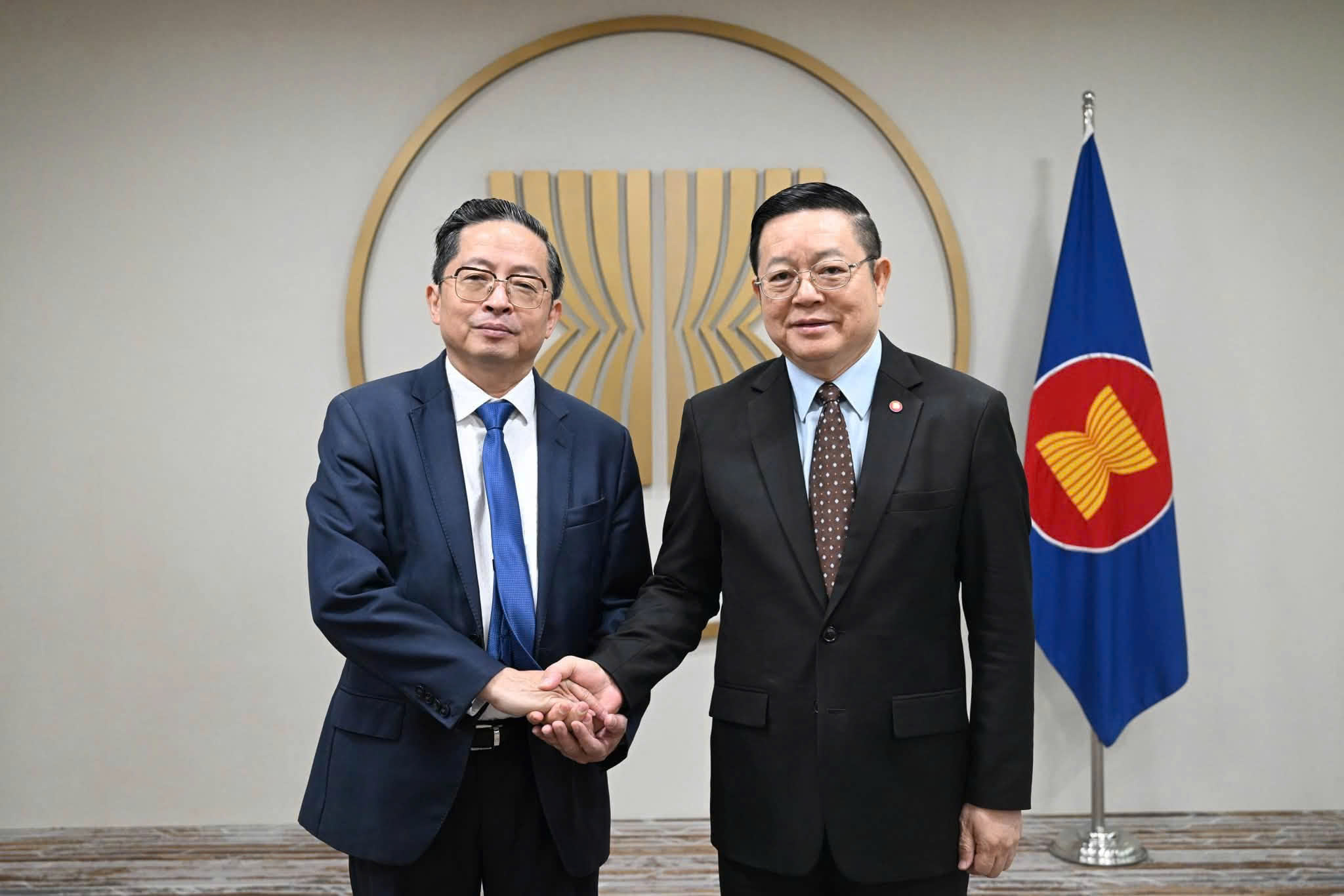
Mr. Tran Kim Chung - Chairman of CT Group (left), and Dr. Kao Kim Hourn - Secretary-General of ASEAN (right), at the ASEAN Secretariat Headquarters (Jakarta, Indonesia)
The meeting took place in an open and highly enthusiastic atmosphere, featuring a series of proposals aimed at addressing regional challenges through the ASEAN bloc's own high-tech solutions, such as corneal transplantation for nearly six million people who are blind across ASEAN, rice gene modification to address sea-level rise caused by climate change, and the development of the Low Altitude Economy (LAE) for the ASEAN bloc…
During the meeting, Dr. Kao Kim Hourn emphasized the growing stature of the bloc as the ASEAN Community approaches 700 million people. Situated strategically among major economic hubs, ASEAN faces unprecedented opportunities and challenges, including climate change, natural disasters, low labor productivity, and development disparities between regions. Strategic technologies will serve as the core foundation for addressing both current and future issues.
In this context, CT Group has proactively engaged in the development of strategic technologies to help address the region's shared challenges. CT Group Chairman Tran Kim Chung affirmed: "As a strategic technology corporation within the ASEAN bloc, we aspire to contribute to the community of 11 nations, helping position ASEAN as a new growth engine for the global economy. We believe that technology will foster closer connection within the ASEAN community, unlock new opportunities in economics, education, and other sectors, and importantly, ensure that residents in rural and remote areas benefit directly from the fruits of innovation.”
CT Group has established an office in Indonesia and is gradually implementing technology cooperation programs in ASEAN’s most populous country.
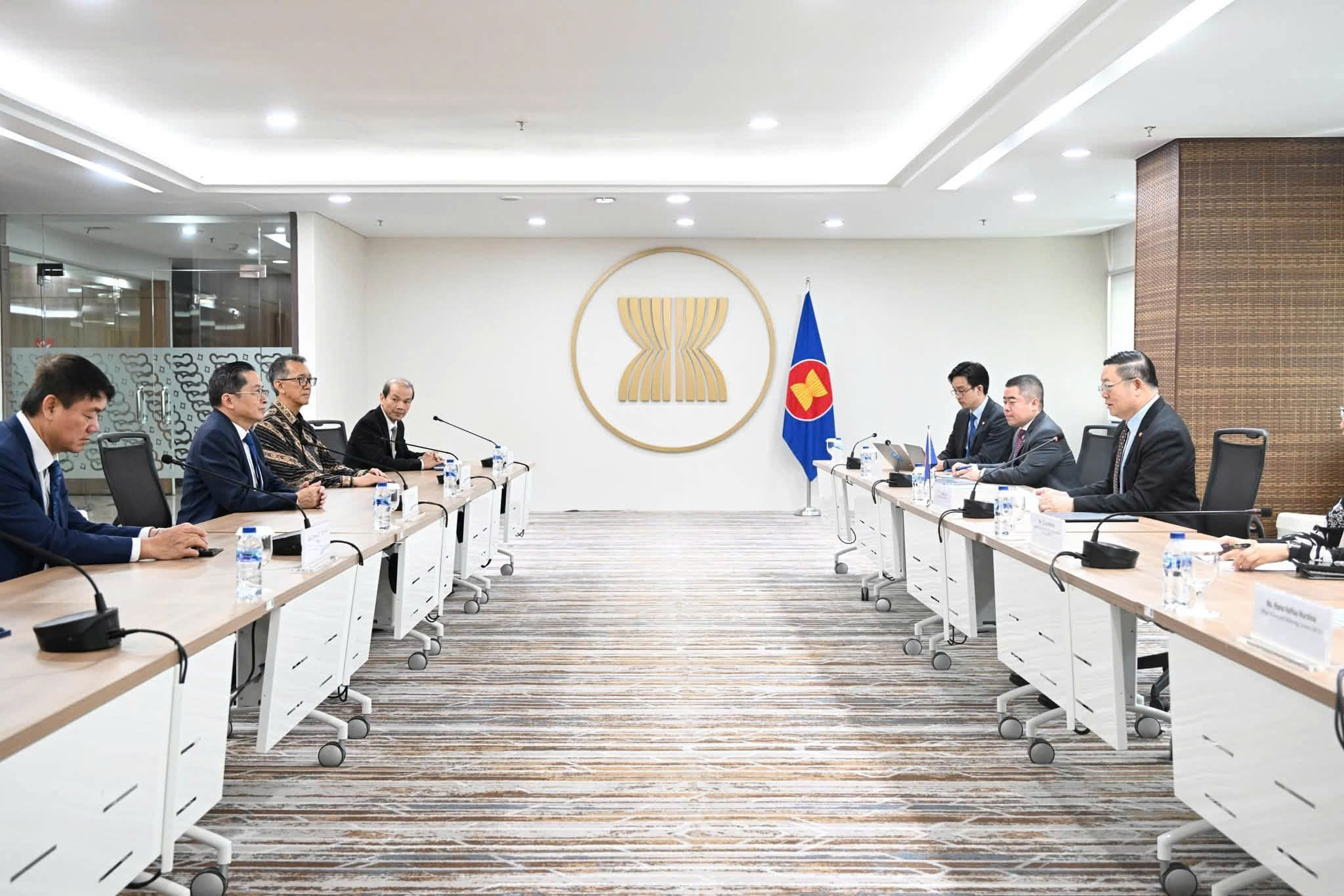
CT Group Proposes Strategic Technology Initiatives to the ASEAN Secretary-General
In August 2025, CT Group signed a cooperation agreement with Indonesia’s Ministry of National Development Planning (Bappenas) to develop policies and an ecosystem for the Low-Altitude Economy, supporting Indonesia’s national digital transformation. In the coming period, GASCOLAE will deploy LAE services across Indonesia’s more than 17,000 islands.
Impressed by CT Group’s strategic vision and aspiration to contribute to ASEAN’s shared development, Dr. Kao Kim Hourn affirmed his commitment to supporting CT Group in strengthening its connections with ASEAN cooperation mechanisms and business networks, expanding strategic partnerships, and building bridges to bring ASEAN technologies to the world.
The meeting between CT Group and the ASEAN Secretary-General marked a new milestone in the journey of connecting Vietnamese technology enterprises with the ASEAN Community, demonstrating the increasingly prominent role of the private sector in promoting innovation and realizing the ASEAN Community Vision 2045.
Driven by the aspiration to build ASEAN technology brands, CT Group remains steadfast in its mission to master core technologies, develop solutions for the community, and accompany ASEAN on its journey to become a global hub for technology and innovation, as well as a new growth engine for the world economy.
CT Group
Address: Léman, 20 Truong Dinh Street, former District 3, Ho Chi Minh City, Vietnam
Email: info@ctgroupvietnam.com
Hotline: (+84) 911 807 668 – (+84) 911 807 667
https://www.globenewswire.com/NewsRoom/AttachmentNg/9e0a1151-3d43-4b09-8d2e-557afa673292
https://www.globenewswire.com/NewsRoom/AttachmentNg/edc8ace8-817a-4e3e-b3aa-3e9fa9e0d2d5

Hà Nội đang tìm cách đưa khoa học công nghệ và chuyển đổi số trở thành động lực mới cho tăng trưởng, với mục tiêu cài công nghệ vào từng ngành có lợi thế như văn hóa, du lịch, thương mại và làng nghề. Tại hội nghị sơ kết một năm rưỡi triển khai Nghị quyết 57 về phát triển khoa học, công nghệ, đổi mới sáng tạo và chuyển đổi số, Phó bí thư Thành ủy Hà Nội Nguyễn Văn Phong cho biết thành phố đã cụ thể hóa định hướng này bằng tám nghị quyết chuyên đề mới ban hành trên cơ sở Luật Thủ đô và Nghị quyết 57. Trọng tâm là hình thành các sản phẩm mới như công nghiệp văn hóa, sản phẩm văn hóa số, thương mại điện tử, cùng với hệ thống quản trị đô thị thông minh dựa trên dữ liệu.
Theo ông Phong, một ví dụ cụ thể là ứng dụng hệ thống camera tích hợp trí tuệ nhân tạo (AI) để điều khiển tín hiệu giao thông thông minh, dự báo ùn tắc và cảnh báo giao thông thời gian thực. Những hạ tầng này được coi là bước đầu dựng nền tảng dữ liệu phục vụ chỉ huy, điều hành và quản trị đô thị thông minh. Song song với đó, Hà Nội định hướng xây dựng hệ sinh thái đổi mới sáng tạo gắn kết trường đại học kỹ thuật, viện nghiên cứu với khu công nghệ cao, doanh nghiệp và nhu cầu thị trường; phát triển các "không gian hấp thụ công nghệ" như Khu Công nghệ cao Hòa Lạc, khu công nghiệp thế hệ mới, sàn giao dịch công nghệ, cơ chế thử nghiệm có kiểm soát (sandbox) và quỹ đầu tư mạo hiểm.
Ở tầm quốc gia, Thường trực Ban Chỉ đạo Trung ương về phát triển khoa học, công nghệ, đổi mới sáng tạo và chuyển đổi số nhấn mạnh chuyển dịch mô hình tăng trưởng sang dựa trên tri thức, dữ liệu và đổi mới sáng tạo, trong đó khoa học cơ bản được đặt vào vị trí trung tâm. Tổng Bí thư, Chủ tịch nước Tô Lâm lưu ý những lĩnh vực đang định hình tương lai thế giới như AI, bán dẫn, lượng tử, công nghệ sinh học, vật liệu mới, dữ liệu và năng lượng mới đều khởi nguồn từ các nghiên cứu cơ bản được đầu tư liên tục trong nhiều thập kỷ. Quan điểm này được các chuyên gia như TS. Trịnh Thị Tú Anh coi là bước chuyển tư duy, khi khoa học cơ bản không còn bị nhìn như lĩnh vực tiêu tốn nguồn lực mà là khoản đầu tư chiến lược cho năng lực nội sinh và cạnh tranh dài hạn.
Tuy nhiên, thách thức lớn lại nằm ở khâu tổ chức thực hiện. Tại một phiên họp chuyên đề của Ban Chỉ đạo Trung ương, lãnh đạo cấp cao chỉ rõ "điểm nghẽn" chính của chuyển đổi số hiện nay không còn ở hạ tầng hay nguồn lực đầu tư, mà ở năng lực thực thi và trách nhiệm của người đứng đầu các cơ quan, địa phương. Ở nhiều nơi, chuyển đổi số vẫn bị coi là nhiệm vụ riêng của bộ phận công nghệ thông tin, dẫn tới dữ liệu phân tán, hệ thống thiếu kết nối, dịch vụ công trực tuyến chưa phát huy hiệu quả. Theo đánh giá của Ban Chỉ đạo và qua các hội nghị sơ kết Nghị quyết 57, khi người đứng đầu chưa coi dữ liệu là tài sản chiến lược, chưa sử dụng nền tảng số trong điều hành hằng ngày, thì khó tạo ra thay đổi trong cả bộ máy và khó hiện thực hóa tham vọng đưa khoa học – công nghệ, đổi mới sáng tạo trở thành động lực cốt lõi của tăng trưởng.