Hong Kong’s national security police have arrested the operators of Hunter Bookstore, one of the city’s best-known independent bookshops, in a move that underscores rising pressure on small publishers and retailers carrying titles deemed politically sensitive by authorities. Police said they detained a 33‑year‑old woman and a 32‑year‑old man on June 24 on suspicion of “acts with seditious intention” and handling property believed to represent the proceeds of an indictable offence. Local media identified one of those arrested as former district councillor and Hunter Bookstore founder Winnie Ho, though police did not name the suspects in their official statement.
Officers from the National Security Department searched the Hunter Bookstore premises in Sham Shui Po on Wednesday evening, according to police and local media accounts. More than a dozen officers were reported to have entered the shop, pulling down its metal shutters and removing stickers from the windows, while checking the identities of customers and passers-by. Police said they seized a batch of items, books and documents they described as having “seditious intention,” alleging that materials on display or for sale incited hatred against the Hong Kong Special Administrative Region government, the judiciary and law‑enforcement agencies, in breach of Article 24 of the city’s Safeguarding National Security Ordinance.
Authorities also said the two suspects were believed to have received multiple remittances from foreign political organisations, and indicated they are investigating potential violations of Hong Kong’s Organized and Serious Crimes Ordinance. Convictions for acts with seditious intent can carry sentences of up to seven years in prison, while handling property believed to be derived from an indictable offence can draw terms of up to 14 years. Local reports cited the presence of a biography of jailed media tycoon Jimmy Lai and works by political cartoonist Zunzi among the titles removed by police; similar books were previously described by pro‑Beijing outlets as “soft resistance” publications when criticising so‑called “yellow” bookstores that supported the 2019 protest movement.
The raid on Hunter Bookstore comes three months after national security officers searched another independent outlet, Yat-Chuen Bookhouse, and arrested its operator and three staff members over the display and sale of the same Jimmy Lai biography. All four were later granted bail, but the case sent a chill through Hong Kong’s small ecosystem of independent booksellers, many of which stock social and political titles alongside general literature. Ho has previously said that government departments carried out dozens of inspections and other actions targeting Hunter Bookstore over several years, even before the latest operation, as authorities and pro‑government media stepped up scrutiny of shops perceived to hold pro‑democracy views.
Ho, a former journalist and member of the now‑disbanded Civic Party, opened Hunter Bookstore after resigning her Sha Tin District Council seat and withdrawing from frontline politics in 2021. She has described the shop’s name, drawn from the Japanese manga “Hunter × Hunter,” as a statement against passivity, and has publicly argued that books should remain “open” and “free” unless and until explicitly banned. In interviews, she acknowledged a climate of fear among publishers and readers but said she sought to maintain a space for discussion within the narrowing bounds of Hong Kong’s legal environment. The latest arrests mark a further escalation in the city’s approach to independent bookshops, reinforcing a message that even small‑scale retail operations risk national‑security scrutiny over the choice of titles they carry and the sources of their funding.
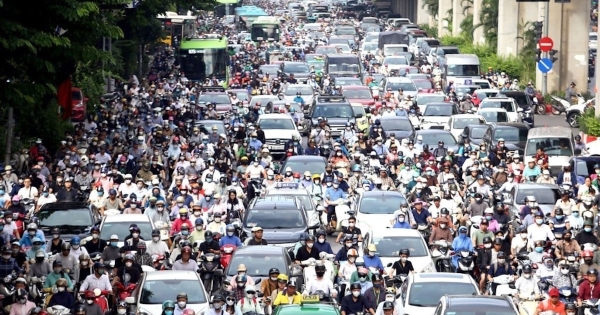
Hà Nội sẽ bắt đầu thí điểm vùng phát thải thấp trong Vành đai 1 từ ngày 1/7 đến hết ngày 31/12/2026, tập trung vào khu vực hồ Hoàn Kiếm và phố cổ. Đề án “Vùng phát thải thấp trong Vành đai 1 TP Hà Nội” đã được HĐND và UBND thành phố phê duyệt, được xem là bước đi đầu tiên trong lộ trình từng bước hạn chế phương tiện sử dụng nhiên liệu hóa thạch tại khu vực nội đô, nhằm thúc đẩy giao thông xanh và cải thiện chất lượng không khí.
Theo thông cáo của cơ quan chức năng, Hà Nội không cấm đồng loạt xe mô tô, xe gắn máy và ô tô sử dụng xăng, dầu trên toàn bộ Vành đai 1. Thay vào đó, thành phố áp dụng các biện pháp hạn chế có chọn lọc tại khu vực 1 và khu vực 2 thuộc phường Hoàn Kiếm, tùy theo loại phương tiện và khung giờ. Trong giai đoạn thí điểm đến hết năm 2026, vùng kiểm soát tập trung ở khu vực trung tâm du lịch – dịch vụ, sau đó lộ trình sẽ nâng dần yêu cầu về quy chuẩn khí thải từ năm 2027 và 2028.
Khu vực 1 được xác định là không gian phố đi bộ hồ Hoàn Kiếm và một phần khu phố cổ, được bao quanh bởi các tuyến Tràng Tiền, Hàng Khay, Lê Thái Tổ, Hàng Đào, Hàng Ngang, Hàng Buồm, Mã Mây, Hàng Bạc, Hàng Mắm, Nguyễn Hữu Huân và Lý Thái Tổ. Tại đây, từ 19h đến 24h các ngày thứ Sáu, thứ Bảy và Chủ nhật, toàn bộ phương tiện giao thông đường bộ gồm xe mô tô, xe gắn máy và ô tô sẽ bị cấm lưu thông. Xe ưu tiên theo quy định pháp luật vẫn được phép hoạt động 24/24 giờ, cùng với các phương tiện thuộc phạm vi quản lý của Bộ Quốc phòng và Bộ Công an.
Khu vực 2 bao trùm khu phố cổ và vùng phụ cận hồ Hoàn Kiếm, được giới hạn bởi các tuyến Hàng Đậu, Phùng Hưng, Tràng Thi, Hàng Khay, Tràng Tiền, Trần Quang Khải và Trần Nhật Duật. Tại đây, thành phố không áp dụng lệnh cấm tuyệt đối nhưng khuyến khích mạnh mẽ việc hạn chế lưu thông của xe mô tô sản xuất, nhập khẩu trước năm 2008 và xe gắn máy sản xuất, nhập khẩu trước năm 2016. Nhóm xe ôm công nghệ chạy xăng cũng được khuyến khích giảm hoạt động; các đơn vị cung cấp phần mềm được đề nghị điều hướng, phân luồng phương tiện trên hệ thống quản lý, điều hành.
Cùng với việc siết chặt lưu thông phương tiện cá nhân trong vùng phát thải thấp, Hà Nội định hướng người dân chuyển sang sử dụng giao thông công cộng, phương tiện phi cơ giới và các loại hình giao thông xanh. Từ năm 2027, ô tô thuộc nhóm được phép hoạt động trong phạm vi hạn chế sẽ phải đáp ứng quy chuẩn khí thải từ mức 4 trở lên, và từ năm 2028, mô tô, xe gắn máy trong nhóm này phải đạt từ mức 3 trở lên, ngoại trừ phương tiện của lực lượng vũ trang trung ương. Thành phố kỳ vọng thí điểm này sẽ tạo nền tảng cho các bước mở rộng vùng phát thải thấp trên toàn Vành đai 1 trong các giai đoạn tiếp theo.