The Philippine Supreme Court has ruled that an employee’s prolonged, unauthorized absences are not by themselves enough to justify dismissal for abandonment of work, reversing earlier findings by labor authorities and the Court of Appeals in a case involving agricultural firm Green Era Biotech and its manpower service provider, Great Value. In an 18-page decision dated Nov. 19 and issued by the tribunal’s Third Division, the high court found the two companies liable for the illegal dismissal of a production utility worker who had been absent from work for at least 18 days in 2018.
The worker, initially hired by Green Era Biotech in 2015 and later transferred to Great Value, was first absent for eight consecutive days due to illness. Great Value required him to explain his unauthorized absences, citing a company policy that allowed dismissal for at least five days of unexplained absence. He later incurred another nine straight days of absence, prompting the issuance of an absence without leave (AWOL) notice that characterized his conduct as serious misconduct and abandonment of work. After taking another leave with his supervisor’s permission, he was barred from entering the workplace and informed by his foreman that he had been declared AWOL, leading him to file a complaint for illegal dismissal.
In overturning the earlier rulings of the Labor Arbiter, the National Labor Relations Commission and the Court of Appeals, the Supreme Court stressed that abandonment as a just cause for dismissal has two elements: absence without a valid reason and a clear intention on the part of the employee to sever the employment relationship. The Court underscored that the second element is the more critical requirement and that the burden of proving both elements rests with the employer. “Mere absence from work, without more, will ordinarily fail to support a finding of abandonment of work, absent any overt act from the employee clearly showing that he or she intends to sever his or her employment,” the decision said.
While the justices acknowledged that the worker’s absences were “clearly unauthorized,” they found no evidence that he intended to abandon his job, noting instead that he had attempted to return to work and promptly challenged his dismissal before the labor tribunal. The Court ruled that his conduct did not amount to a “deliberate and unjustified refusal” to resume employment and that his absences did not merit the “severe penalty of dismissal.” It ordered his reinstatement to his former position without loss of seniority and privileges, though without back wages, and held Green Era Biotech and Great Value jointly liable to pay separation pay if reinstatement is no longer feasible, along with nominal damages of 30,000 pesos.
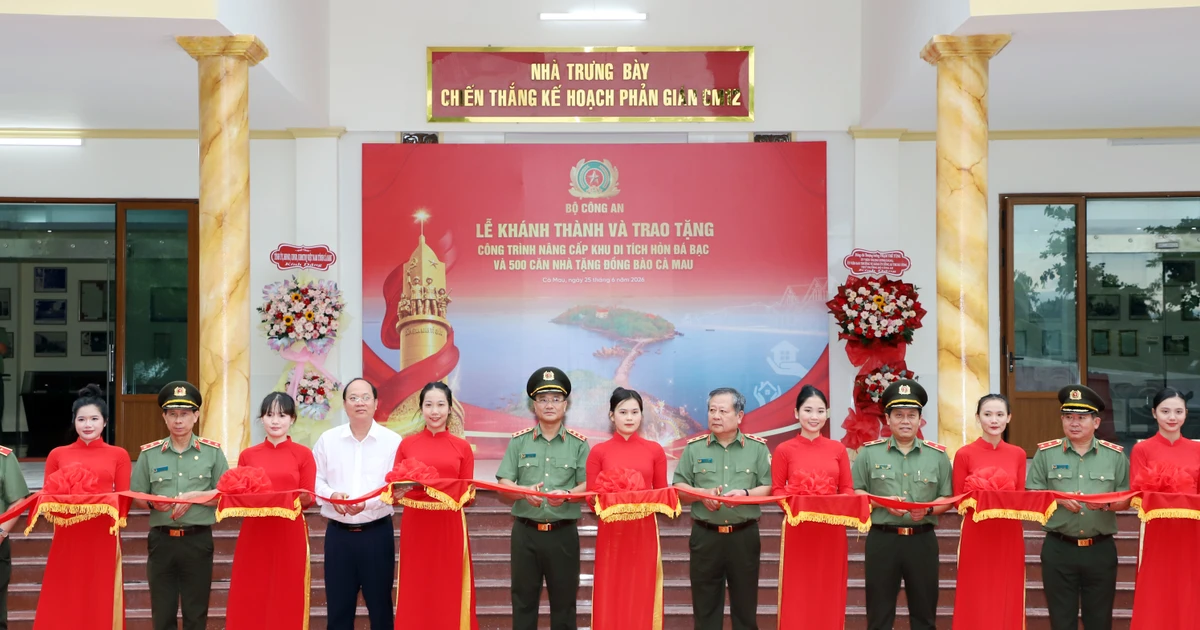
Bộ Công an vừa khánh thành công trình nâng cấp Khu di tích lịch sử quốc gia Hòn Đá Bạc và bàn giao 500 căn nhà cho các hộ có hoàn cảnh khó khăn trên địa bàn tỉnh Cà Mau, đánh dấu một bước tiến mới trong cả bảo tồn di sản lẫn hoàn thiện hạ tầng an sinh xã hội tại địa phương cực Nam Tổ quốc. Sự kiện diễn ra chiều 25/6 tại xã Đá Bạc, với sự phối hợp tổ chức giữa Bộ Công an, Tỉnh ủy và UBND tỉnh Cà Mau.
Hoạt động này nằm trong chuỗi sự kiện hướng tới kỷ niệm 80 năm Ngày truyền thống lực lượng An ninh nhân dân và 42 năm Chiến thắng Kế hoạch phản gián CM12. Trước lễ khánh thành, các đại biểu đã dâng hương tại Nhà tưởng niệm Chủ tịch Hồ Chí Minh và dâng hoa tại Tượng đài Bảo vệ an ninh Tổ quốc trong khu di tích, bày tỏ tri ân đối với các thế hệ cán bộ, chiến sĩ đã cống hiến cho sự nghiệp bảo vệ an ninh quốc gia.
Phát biểu tại buổi lễ, Bí thư Tỉnh ủy Cà Mau Nguyễn Hồ Hải nhấn mạnh Hòn Đá Bạc không chỉ là danh lam thắng cảnh mà còn là “địa chỉ đỏ” gắn với chiến công của lực lượng An ninh nhân dân, thể hiện bản lĩnh, trí tuệ, tinh thần mưu trí, dũng cảm của lực lượng Công an nhân dân. Ông đánh giá việc hoàn thành nâng cấp khu di tích song song với việc trao 500 căn nhà cho người dân có hoàn cảnh khó khăn là sự kiện mang ý nghĩa lịch sử và nhân văn sâu sắc, vừa góp phần gìn giữ, phát huy giá trị truyền thống cách mạng, vừa trực tiếp chăm lo an sinh, giúp người dân ổn định cuộc sống.
Thượng tướng Phạm Thế Tùng, Thứ trưởng Bộ Công an, cho biết 500 căn nhà được bàn giao là kết quả của sự phối hợp giữa Bộ Công an, chính quyền địa phương và các đơn vị, nhà tài trợ đồng hành, được triển khai từ nguồn xã hội hóa. Ông nêu thêm, Đảng và Nhà nước coi an sinh xã hội là một trong những nhiệm vụ trọng tâm để bảo đảm ổn định chính trị và phát triển bền vững. Đến nay, Bộ Công an đã chủ trì, phối hợp xây dựng hơn 33.000 căn nhà trên cả nước với tổng kinh phí gần 3.000 tỷ đồng, trong đó chương trình tại Cà Mau được kỳ vọng góp phần xóa nhà tạm, cải thiện điều kiện sống và lan tỏa tinh thần tương thân tương ái trong cộng đồng.