Vivant Water has begun supplying desalinated water to the Metropolitan Cebu Water District, marking a significant step in Metro Cebu’s bid to secure more climate-resilient water sources as demand rises and El Niño risks intensify. MCWD said it started receiving an initial 5,000 cubic meters per day of treated seawater from Isla Mactan Cordova Corp., a Vivant Water subsidiary, after the Cordova desalination plant was connected to the utility’s network at the start of July. The first tranche is expected to serve roughly 7,000 to 7,500 households, with volumes set to ramp up as facility operations stabilize.
The new supply comes as MCWD grapples with a daily water deficit exceeding 16,000 cubic meters, amid mounting pressure on Cebu’s overextracted aquifers. The desalination project is designed to diversify sources and reduce reliance on groundwater and surface water, which have been strained by rapid urban growth and recurring dry spells. “The sooner we bring climate-resilient sources online, the sooner we can help reduce stress on our aquifers and protect the natural resources that Cebu’s future depends on,” Vivant Water President Jess Anthony Garcia said in a statement.
Under a 25-year joint venture and water supply agreement signed in April 2025, Vivant Water has committed to deliver up to 20,000 cubic meters of desalinated water per day to MCWD once the plant reaches full commercial operations. At that level, the Cordova facility is projected to supply potable water to nearly 30,000 households in Metro Cebu, significantly narrowing the utility’s current shortfall. MCWD General Manager John Dx Lapid said the district has been seeking partners “who understand the urgency of Cebu’s water needs and share our vision of serving Cebuanos better,” positioning desalination as a core component of its long-term strategy.
The ramp-up in alternative water sourcing coincides with warnings from the Philippine Atmospheric, Geophysical and Astronomical Services Administration that El Niño conditions may intensify later this year and persist into early 2027. El Niño, driven by abnormal warming of Pacific Ocean surface temperatures, typically brings drought, erratic rainfall and stronger heat waves, heightening risks for water-stressed regions such as Cebu. Vivant Corp., which manages its water investments through Vivant Infracore Holdings Inc., has earmarked billions of pesos for water projects, including desalination, wastewater treatment and distribution networks, as part of a broader P67-billion investment program in energy and water through 2030. The Cordova plant, now moving from commissioning to partial operations, underscores how utilities and private operators are accelerating climate-adaptive infrastructure to shore up supply ahead of more volatile weather patterns.
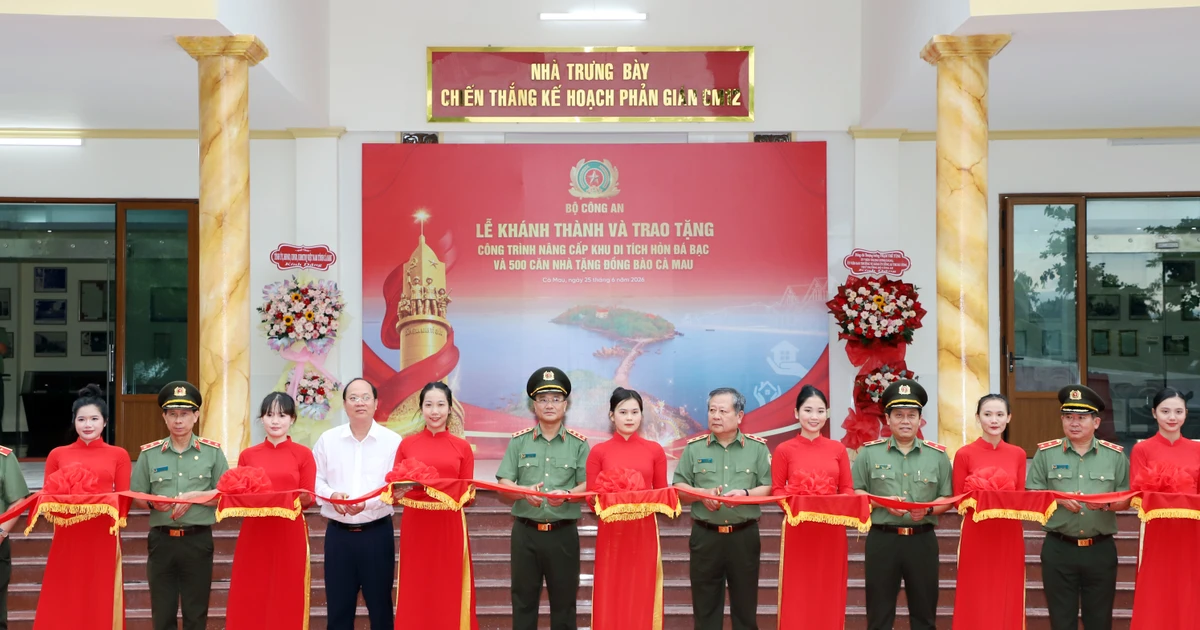
Bộ Công an vừa khánh thành công trình nâng cấp Khu di tích lịch sử quốc gia Hòn Đá Bạc và bàn giao 500 căn nhà cho các hộ có hoàn cảnh khó khăn trên địa bàn tỉnh Cà Mau, đánh dấu một bước tiến mới trong cả bảo tồn di sản lẫn hoàn thiện hạ tầng an sinh xã hội tại địa phương cực Nam Tổ quốc. Sự kiện diễn ra chiều 25/6 tại xã Đá Bạc, với sự phối hợp tổ chức giữa Bộ Công an, Tỉnh ủy và UBND tỉnh Cà Mau.
Hoạt động này nằm trong chuỗi sự kiện hướng tới kỷ niệm 80 năm Ngày truyền thống lực lượng An ninh nhân dân và 42 năm Chiến thắng Kế hoạch phản gián CM12. Trước lễ khánh thành, các đại biểu đã dâng hương tại Nhà tưởng niệm Chủ tịch Hồ Chí Minh và dâng hoa tại Tượng đài Bảo vệ an ninh Tổ quốc trong khu di tích, bày tỏ tri ân đối với các thế hệ cán bộ, chiến sĩ đã cống hiến cho sự nghiệp bảo vệ an ninh quốc gia.
Phát biểu tại buổi lễ, Bí thư Tỉnh ủy Cà Mau Nguyễn Hồ Hải nhấn mạnh Hòn Đá Bạc không chỉ là danh lam thắng cảnh mà còn là “địa chỉ đỏ” gắn với chiến công của lực lượng An ninh nhân dân, thể hiện bản lĩnh, trí tuệ, tinh thần mưu trí, dũng cảm của lực lượng Công an nhân dân. Ông đánh giá việc hoàn thành nâng cấp khu di tích song song với việc trao 500 căn nhà cho người dân có hoàn cảnh khó khăn là sự kiện mang ý nghĩa lịch sử và nhân văn sâu sắc, vừa góp phần gìn giữ, phát huy giá trị truyền thống cách mạng, vừa trực tiếp chăm lo an sinh, giúp người dân ổn định cuộc sống.
Thượng tướng Phạm Thế Tùng, Thứ trưởng Bộ Công an, cho biết 500 căn nhà được bàn giao là kết quả của sự phối hợp giữa Bộ Công an, chính quyền địa phương và các đơn vị, nhà tài trợ đồng hành, được triển khai từ nguồn xã hội hóa. Ông nêu thêm, Đảng và Nhà nước coi an sinh xã hội là một trong những nhiệm vụ trọng tâm để bảo đảm ổn định chính trị và phát triển bền vững. Đến nay, Bộ Công an đã chủ trì, phối hợp xây dựng hơn 33.000 căn nhà trên cả nước với tổng kinh phí gần 3.000 tỷ đồng, trong đó chương trình tại Cà Mau được kỳ vọng góp phần xóa nhà tạm, cải thiện điều kiện sống và lan tỏa tinh thần tương thân tương ái trong cộng đồng.